

5 Powerful Anti‑Inflammatory Foods Backed by Science
- wellnessbybelize
- Mar 14
- 4 min read
Updated: Mar 25
Table of Contents
1.1 Best For
1.2 How It Works
1.3 How to Use It
Berries (Blueberries, Strawberries, Raspberries)
2.1 Best For
2.2 How They Work
2.3 How to Use Them
Leafy Greens (Spinach, Kale, Silverbeet)
3.1 Best For
3.2 How They Work
3.3 How to Use Them
Fatty Fish (Salmon, Sardines, Mackerel)
4.1 Best For
4.2 How They Work
4.3 How to Use Them
Nuts & Seeds (Walnuts, Almonds, Chia, Flaxseed)
5.1 Best For
5.2 How They Work
5.3 How to Use Them
Chronic inflammation is linked to conditions like heart disease, diabetes, arthritis, and autoimmune disorders. The good news? Research consistently shows that certain foods contain compounds that help reduce inflammation naturally and support long‑term health. Below are five of the most evidence‑supported anti‑inflammatory foods — and exactly how to use them.
If you missed the last post, you can read about the benefits of weighted blankets for busy professionals here: The Micro-Wellness Essential Every Busy Professional Needs - Why Weighted Blankets Work.

Turmeric
Best For:
Joint pain, chronic inflammation, immune support
How It Works:
Turmeric contains curcumin, a compound widely studied for its anti‑inflammatory effects. Harvard Health notes that curcumin helps block inflammatory pathways in the body and can reduce markers like CRP, which is often elevated in chronic inflammation. Many clinical reviews highlight curcumin’s ability to support joint health and reduce oxidative stress.
How to Use It:
Add ½–1 teaspoon to soups, curries, or smoothies
Make a turmeric latte (“golden milk”)
Pair with black pepper to boost absorption
Use turmeric powder or fresh grated root

Berries (Blueberries, Strawberries, Raspberries)
Best For:
Cellular protection, gut health, immune support
How They Work:
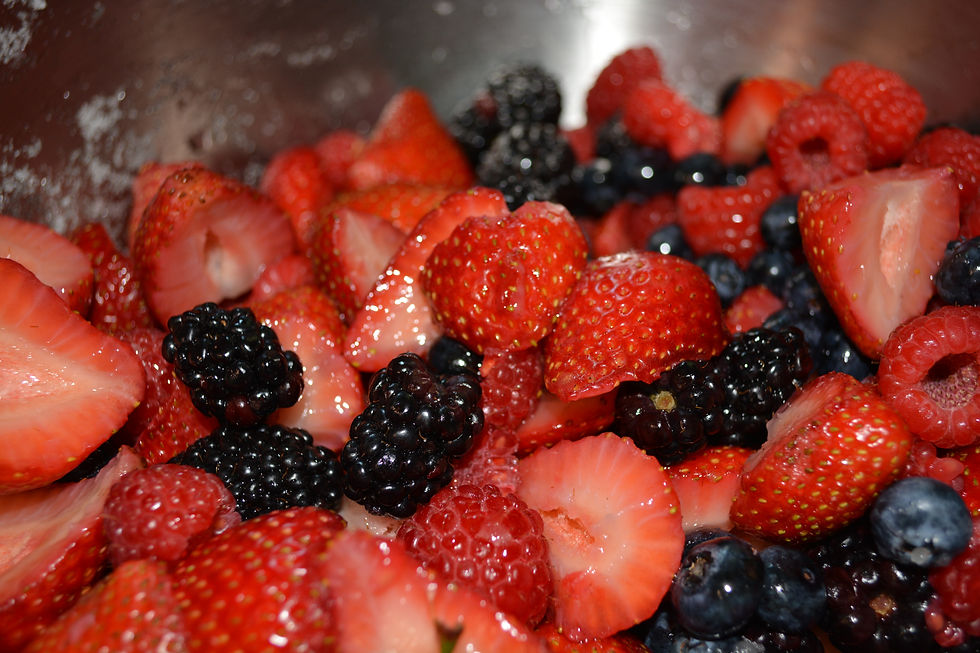
Berries are rich in anthocyanins, antioxidants that help reduce inflammation and oxidative stress. The Cleveland Clinic highlights berries as one of the most effective anti‑inflammatory foods due to their ability to lower inflammatory markers and support heart and brain health. Their fibre content also supports gut health, which plays a major role in inflammation regulation.
How to Use Them:
Add to yogurt, oatmeal, or chia pudding
Blend into smoothies
Snack on them fresh or frozen
Use as a natural sweetener in baking
Leafy Greens (Spinach, Kale, Silverbeet)
Best For:
Whole‑body inflammation, digestion, energy
How They Work:
Leafy greens are packed with vitamins A, C, and K, along with polyphenols that help regulate inflammatory responses. Harvard Health identifies leafy greens as a core component of anti‑inflammatory eating because of their nutrient density and ability to support cellular repair and immune function.
How to Use Them:
Add to salads, wraps, or grain bowls
Blend into smoothies for extra nutrients
Sauté with garlic and olive oil
Add to soups, omelettes, or stir‑fries

Fatty Fish (Salmon, Sardines, Mackerel)
Best For:
Heart health, joint pain, brain function
How They Work:
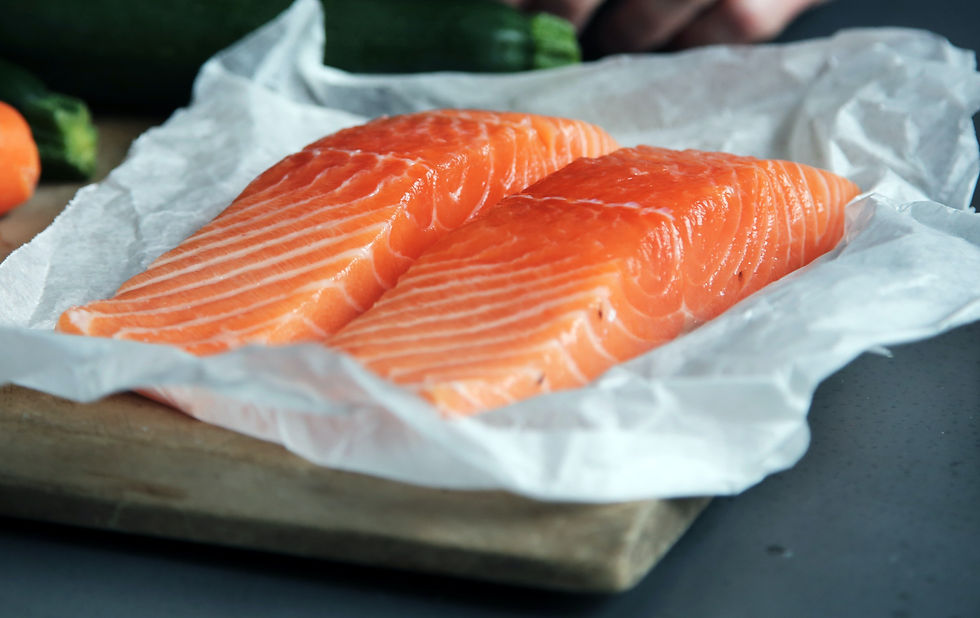
Fatty fish are rich in omega‑3 fatty acids (EPA and DHA), which have been shown to significantly reduce inflammation. The Heart Research Institute explains that omega‑3s help counteract inflammatory omega‑6 fats common in modern diets and support cardiovascular and joint health. Studies consistently show that omega‑3s lower inflammatory markers and improve long‑term health outcomes.
How to Use Them:
Grill, bake, or pan‑sear salmon
Add sardines to salads or whole‑grain toast
Choose wild‑caught options when possible
Use canned salmon for quick meals
Nuts & Seeds (Walnuts, Almonds, Chia, Flaxseed)
Best For:
Heart health, metabolic health, long‑term inflammation
How They Work:
Nuts and seeds contain healthy fats, fibre, and antioxidants that help lower inflammation. Healthline notes that walnuts and flaxseed are especially high in plant‑based omega‑3s, which support heart health and reduce inflammatory markers. Their fibre content also helps regulate blood sugar — another key factor in inflammation.
How to Use Them:
Sprinkle chia or flaxseed on oatmeal or yogurt
Snack on almonds or walnuts
Add seeds to salads, smoothies, or baked goods
Use nut butters as a healthy spread

How to Build an Anti-Inflammatory Food Plate
A simple formula to follow:
Meal Component | Anti‑Inflammatory Option |
Healthy Fat | Nuts, seeds, olive oil |
Protein | Fatty fish, legumes |
Color | Leafy greens, berries, vegetables |
Flavour | Turmeric, ginger, herbs |
Final Thoughts
Reducing inflammation doesn’t require a restrictive diet — just small, consistent choices. Adding these five foods to your weekly routine can help support your immune system, reduce chronic inflammation, and improve long‑term health.
Common FAQ
What are anti-inflammatory foods?
Anti‑inflammatory foods are ingredients shown to help reduce chronic inflammation in the body. Harvard Health explains that foods rich in antioxidants, healthy fats, and polyphenols — such as berries, leafy greens, and fatty fish — help calm inflammatory pathways and support long‑term health.
How quickly can anti-inflammatory foods make a difference?
While results vary, many people notice improvements in energy, digestion, and joint comfort within a few weeks of consistently eating anti‑inflammatory foods. Research shows that dietary changes can begin lowering inflammatory markers in as little as 2–6 weeks.
Do I need to avoid certain foods to reduce inflammation?
While this post focuses on what to add, many experts — including Harvard Health — note that reducing processed foods, refined sugars, and trans fats can further support inflammation reduction. Pairing anti‑inflammatory foods with fewer inflammatory triggers creates the best results.
Can I get anti-inflammatory benefits without supplements?
Yes. Most people can get meaningful anti‑inflammatory benefits through whole foods alone. Supplements like curcumin or omega‑3s can help in some cases, but Harvard Health recommends focusing on food first unless advised otherwise by a healthcare professional.
How often should I eat anti-inflammatory foods?
Daily is ideal. Even small, consistent servings — like a handful of berries, a serving of leafy greens, or a sprinkle of seeds — can help reduce inflammation over time. The key is consistency, not perfection.
References
Cleveland Clinic. Anti‑Inflammatory Diet: Foods List and Benefits. Cleveland Clinic Health Essentials.
Harvard Health Publishing. Foods That Fight Inflammation. Harvard Medical School.
Harvard Health Publishing. Curcumin: Can This Powerful Antioxidant Improve Your Health? Harvard Medical School.
Healthline. The 13 Most Anti‑Inflammatory Foods You Can Eat. Healthline Nutrition.
Heart Research Institute. The Best Anti‑Inflammatory Foods, According to a Dietitian. Heart Research Institute Australia.
Prevention Magazine. The 9 Best Foods to Fight Inflammation. Prevention Health.


Comments